
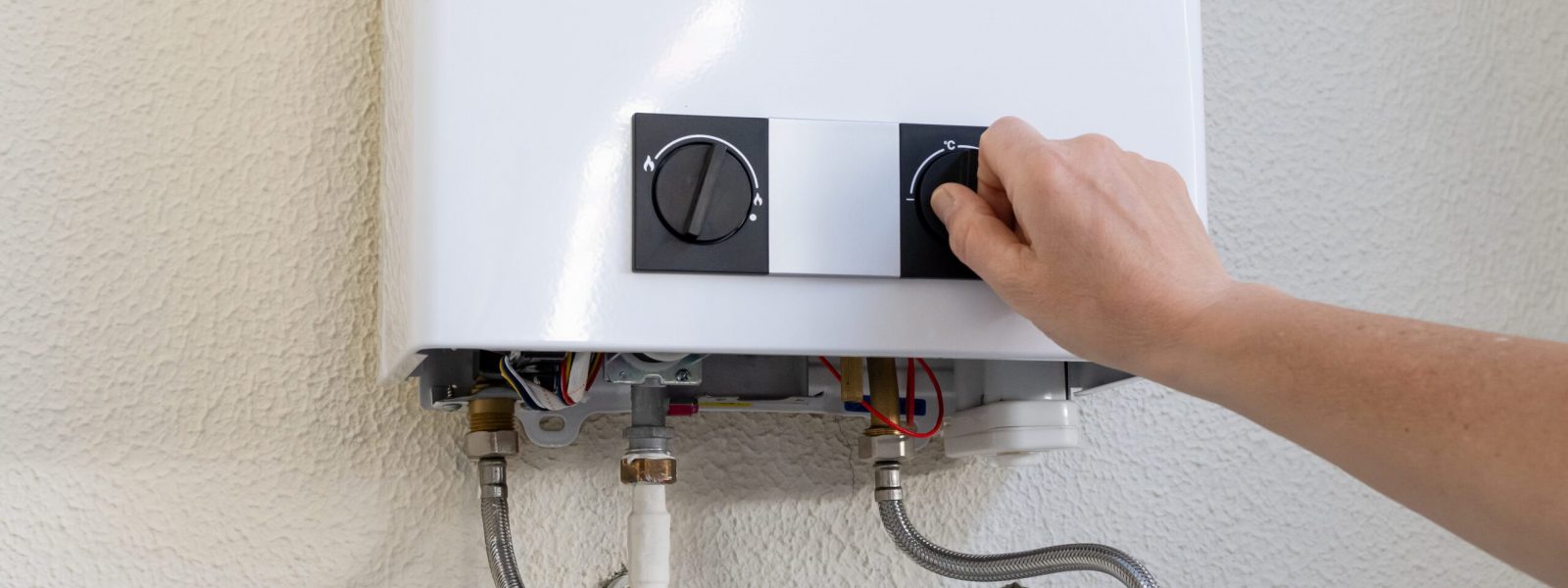
By November, heating season on Long Island is no longer something homeowners can treat as a future concern. Overnight temperatures are dropping, thermostats are calling for heat more frequently, and furnaces and boilers that operated only occasionally during early fall are beginning to settle into their winter workload.
That increase in operating time can reveal problems that were not obvious during the first cool evenings of the season.
A boiler may begin cycling more frequently. A furnace may struggle to maintain the thermostat setting. One section of the home may remain colder than another. Energy use may climb unexpectedly. In other cases, the system may simply stop producing heat when it is needed most.
November is therefore an important point in the heating season to answer three different questions: Does the system need maintenance? Is there a developing problem that requires repair? Or has the equipment reached the point where replacement makes better long-term sense?
Air Design provides heating maintenance, repair, and replacement services for Long Island homeowners, including gas boiler installation and service. Understanding the difference between these three needs can help homeowners make better decisions before winter conditions become more demanding.
Preventative Maintenance Is About More Than Avoiding Breakdowns
Heating equipment operates for hundreds of hours over the course of a typical season. Components cycle repeatedly, combustion systems accumulate residue, filters collect debris, electrical connections experience wear, and normal operation gradually affects system performance.
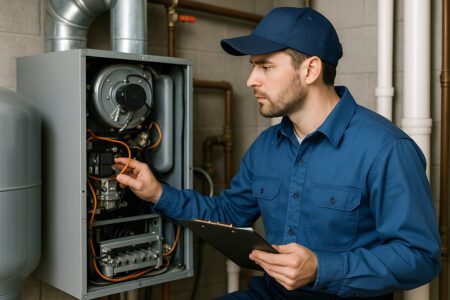
Preventative maintenance provides an opportunity to inspect that equipment before a small issue develops into a larger service problem.
A professional heating inspection may uncover wear, operating irregularities, efficiency concerns, or safety issues that are difficult for a homeowner to identify simply by listening to the system run.
Air Design’s preventative maintenance service agreements include heating and air conditioning equipment inspections, humidifier inspection, and carbon monoxide emissions testing. Agreement customers also receive priority service over non-agreement customers, special Saturday appointments at no additional charge, and no-charge service calls during normal business hours Monday through Saturday under the terms of the plan.
For homeowners heading into November, that kind of ongoing service relationship can be especially valuable because heating equipment is entering the portion of the year when reliability matters most.
Know the Difference Between Maintenance and Repair
Maintenance is intended to help keep properly operating equipment in good condition. Repair becomes necessary when the system is already showing evidence that something is wrong.
The distinction matters.
A tune-up should not be expected to correct a failed ignition component or restore a malfunctioning thermostat. Likewise, homeowners should not wait for a complete breakdown before scheduling service when the system is already providing warning signs.
Air Design’s heating repair services address a wide variety of common heating problems, including:
- No heat or insufficient heat
- Repeated on-and-off cycling
- Banging, rattling, grinding, or squealing sounds
- Ignition or pilot problems
- Uneven temperatures throughout the home
- Weak airflow
- Thermostat problems
- Unexpected increases in heating costs
These symptoms can originate from many different components, so accurate diagnosis is essential.
Replacing a part based on symptoms alone can miss the underlying cause. A professional technician can test the system, isolate the malfunction, explain the findings, and determine what work is required to restore proper operation.
Frequent Cycling Should Not Be Ignored
Heating systems normally cycle as they maintain indoor temperature, but unusually frequent starts and stops deserve attention.
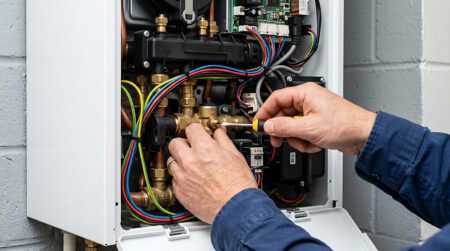
Short or excessive cycling can increase wear because motors, ignition components, controls, and other parts repeatedly move through startup sequences. It may also indicate that the equipment is having difficulty maintaining the home’s heating demand efficiently.
The cause could involve controls, airflow, equipment sizing, temperature sensing, or another system condition.
If your furnace or boiler appears to be starting far more often than it did in previous winters, November is a sensible time to have it evaluated rather than allowing the behavior to continue throughout the entire season.
Strange Sounds Can Provide an Early Warning
Heating equipment should never be completely ignored simply because it continues producing heat.
New noises are one of the most useful clues that something inside the system has changed.
Rattling may indicate a loose component. Grinding or squealing can point toward mechanical problems in equipment with moving parts. Banging within a hydronic heating system may have an entirely different origin.
The sound itself does not provide a reliable diagnosis, but a noticeable change in system noise is a reason to schedule an inspection.
Catching a developing component problem while the equipment is still operational may reduce the likelihood of reaching a cold winter night with no heat at all.
When an Aging Gas Boiler Deserves a Closer Look
For homes with hydronic heating, a modern gas-fired boiler can provide exceptionally quiet and consistent warmth.
Today’s high-efficiency gas boilers can achieve annual fuel utilization efficiency, or AFUE, ratings of up to 95 percent. AFUE represents the percentage of fuel energy converted into usable heat over the course of a heating season.

Compared with outdated equipment, a properly selected high-efficiency boiler can provide improved fuel utilization while maintaining the even radiant comfort many homeowners prefer.
Gas boilers also avoid the forced-air sound and airflow associated with furnace systems. When properly maintained, they can have service lives measured in decades.
Longevity alone, however, is not a reason to keep every older boiler indefinitely.
Equipment deserves a closer replacement evaluation when repairs become frequent, heating costs rise substantially, performance declines, or major components begin approaching the end of their usable life.
Repair or Replace? Look Beyond the Immediate Invoice
When a heating system fails, homeowners naturally compare the price of repair with the cost of new equipment. That is important, but it should not be the only consideration.
A relatively inexpensive repair on a dependable system may make excellent financial sense. Repeatedly repairing aging, inefficient equipment can be a different calculation.
A replacement discussion should consider:
- Current system age
- Frequency and cost of previous repairs
- Overall equipment condition
- Heating performance
- Fuel efficiency
- Comfort throughout the home
- Existing piping, ductwork, or infrastructure
- Whether the home’s heating needs have changed
- Available high-efficiency replacement options
Air Design provides free in-home consultations for homeowners considering a gas boiler replacement. System selection is based on factors such as the home’s size, layout, existing infrastructure, desired comfort level, and budget rather than simply duplicating the previous equipment.
Why Boiler Sizing Matters
Choosing a replacement boiler should involve more than selecting a model with a high efficiency rating.
The equipment also needs to match the home’s actual heating requirements.
An undersized boiler may have difficulty maintaining comfort during colder weather. Oversized equipment can create its own operating and efficiency concerns.
Professional selection considers the heating load of the home along with the distribution system and existing infrastructure. Zone controls may also be incorporated where appropriate to improve temperature management throughout different areas of the house.
The objective is not simply to install newer equipment. It is to create a properly matched heating system.
Annual Boiler Service Protects the Investment
Even high-efficiency heating equipment requires routine attention.
Air Design’s boiler maintenance includes cleaning, inspection, efficiency testing, and safety checks. These visits can help identify worn components, confirm that the equipment is operating as intended, and maintain the performance homeowners expected when the boiler was installed.
Regular maintenance can also extend equipment life and reduce the likelihood of unexpected service interruptions.
A new boiler should therefore mark the beginning of a maintenance plan, not the end of one.
The same principle applies to furnaces, heat pumps, ductless mini-splits, radiant systems, and other residential heating equipment.
November Is the Time to Resolve Heating Uncertainty
A heating problem that feels manageable during a mild November afternoon can become far more disruptive when outdoor temperatures drop sharply and the system must operate for longer periods.
That is why this point in the season is ideal for resolving uncertainty.
If the system has not been inspected, schedule preventative maintenance. If it is showing unusual symptoms, arrange a professional diagnosis. If an older boiler or furnace requires increasingly expensive repairs, compare those costs with modern replacement options before another failure determines the timing for you.
Air Design has been helping Long Island families maintain comfortable homes since 1967 and services gas and oil furnaces, gas and oil boilers, heat pumps, ductless mini-split equipment, radiant heating, electric heating systems, and major HVAC brands.
For heating problems that cannot wait, Air Design also provides emergency heating repair service.
Prepare the System for the Winter Ahead
November provides homeowners with one of the last practical opportunities to evaluate heating performance before the most demanding part of winter arrives.
Preventative maintenance can identify developing concerns and help maintain system efficiency. Timely repairs can correct operational problems before they become more disruptive. And when an aging system no longer makes financial or practical sense to repair, a properly selected high-efficiency gas boiler or other replacement system can establish a stronger foundation for years of dependable heating.
If your heating system is making unfamiliar sounds, cycling excessively, heating unevenly, increasing your energy costs, or simply has not been professionally inspected this season, contact Air Design today.
