
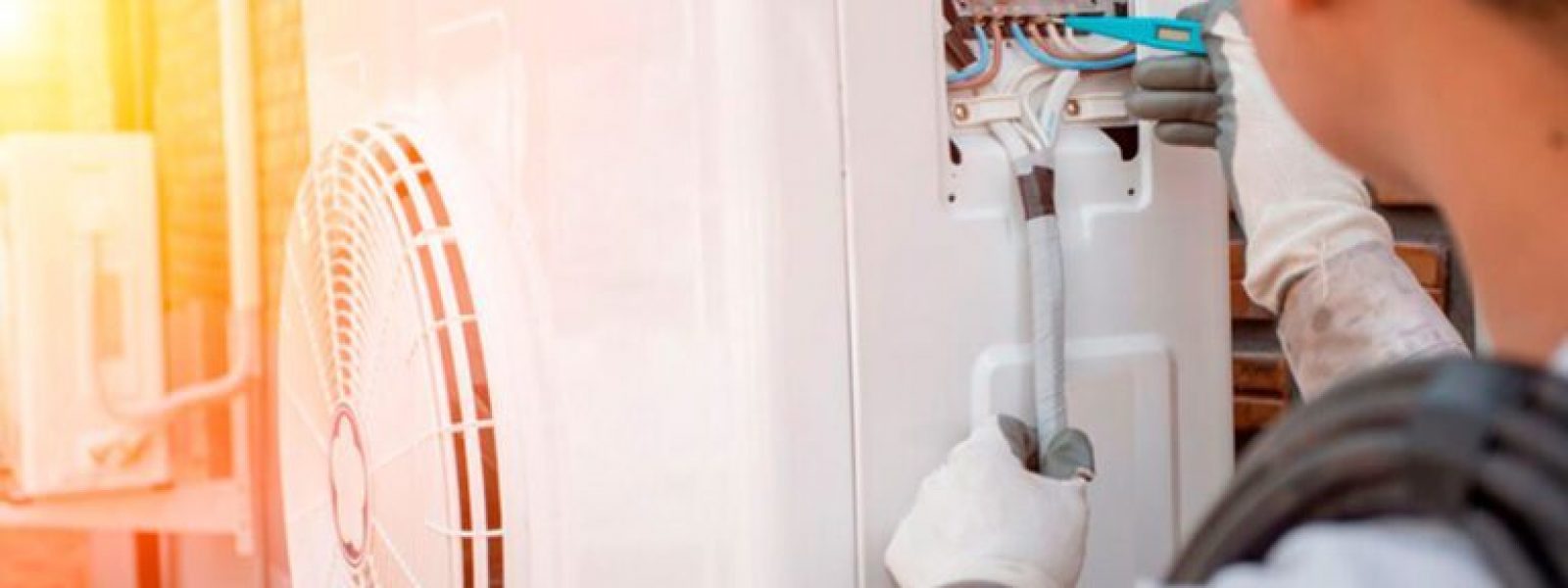
Heating and cooling have traditionally been treated as two separate home-comfort needs. An air conditioner handles summer, while a furnace or boiler takes over when temperatures fall. A heat pump changes that arrangement by using one refrigeration-based system to provide both functions.
In summer, a heat pump operates much like a conventional central air conditioner. It collects heat from inside the home and releases it outdoors. During colder weather, the refrigeration cycle reverses. The equipment gathers available heat from the outdoor environment and transfers it indoors.
Because the system moves heat rather than creating all of it through combustion, it can provide an efficient alternative to traditional heating equipment. Modern inverter-driven systems have also expanded the range of conditions in which heat pumps can operate effectively.

That does not mean every home should receive the same unit or follow the same replacement strategy. Climate, insulation, electrical capacity, existing ductwork, current fuel type, room layout, and long-term plans all influence whether a heat pump is the right investment.
For Long Island homeowners, the best decision begins with understanding how the technology works and how it should be applied to the property.
Why Heat Pumps Are Gaining Attention
Heat pumps appeal to homeowners for several reasons. They combine heating and cooling, operate without on-site combustion when used as an all-electric system, and can reduce reliance on heating oil, propane, or natural gas.
Their most important distinction is the way they use energy. A furnace produces heat by burning fuel or energizing electric resistance elements. A heat pump uses electricity to transfer existing heat from one place to another.
Even cold outdoor air contains usable thermal energy. Refrigerant absorbs that energy, the compressor raises its temperature, and the indoor unit releases the heat into the home.

During mild fall and spring conditions, this approach can be particularly efficient because the system does not need to overcome extreme outdoor temperatures. Instead of activating a large furnace or boiler for a modest heating demand, the heat pump can adjust its output to maintain a steady indoor environment.
This makes the technology especially valuable during Long Island’s transitional seasons.
A Different Kind of Heating Experience
Heat pumps may feel different from traditional combustion systems.
A furnace commonly delivers warmer air in shorter cycles. A heat pump often produces a gentler stream of heated air over a longer period. The air coming from the vents may not feel as hot to the hand, but the system can maintain the room temperature effectively through consistent operation.
This longer, steadier cycle can reduce the dramatic temperature changes homeowners sometimes experience with fixed-output equipment. Instead of allowing the home to cool and then producing a strong burst of heat, an inverter heat pump can continuously adjust its capacity.
That modulation can create:
- More even room temperatures
- Fewer abrupt system starts and stops
- Quieter operation at lower speeds
- Improved moisture removal during cooling
- Reduced energy use during partial-load conditions
Homeowners moving from a furnace or boiler may need time to become familiar with this operating pattern. Proper thermostat use is also important because repeatedly making large temperature adjustments can interfere with efficient performance.
Air-Source, Geothermal, and Ductless Options
Heat pumps are available in several configurations, each suited to different types of homes and project goals.
Air-Source Heat Pumps
Air-source systems transfer heat between the home and the outdoor air. They are the most common heat pump option and are installed in a configuration similar to central air conditioning.
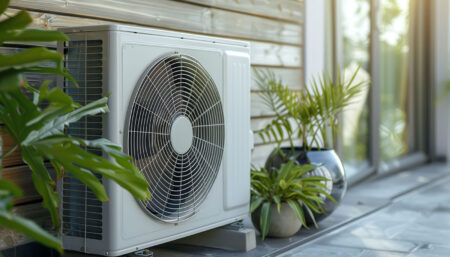
A ducted air-source heat pump may be a practical choice for a home with existing ductwork in good condition. It can replace an aging central AC system while adding electric heating capability.
Cold-climate models are built to continue operating at lower outdoor temperatures than earlier generations. Actual performance depends on the specific equipment, proper sizing, installation quality, and the home’s heating load.
Ductless Mini-Split Heat Pumps
Ductless systems connect an outdoor heat pump to one or more indoor units without requiring a traditional duct network.
They can be useful for:
- Homes without central ductwork
- Additions, converted garages, or finished basements
- Areas that are consistently difficult to heat or cool
- Zoned applications where different rooms need separate control
- Properties where extending existing ducts would be impractical
The placement and capacity of each indoor unit should be planned carefully. A collection of mismatched units is not a substitute for a coordinated whole-home design.
Ground-Source Heat Pumps
Ground-source, or geothermal, systems exchange heat with the earth rather than the outdoor air. Underground temperatures remain more stable throughout the year, allowing these systems to operate with high efficiency during both heating and cooling.
Geothermal installation requires excavation or drilling, sufficient property access, and a larger upfront investment. It can deliver strong long-term performance, but feasibility varies considerably by site.
A professional evaluation is necessary to determine whether the property and project budget are suited to this type of installation.
Why Inverter Technology Matters
Traditional fixed-output equipment generally operates in an all-or-nothing pattern. When the thermostat calls for conditioning, the system runs at full capacity. Once the desired temperature is reached, it shuts off.
Inverter-driven heat pumps can vary compressor speed and system output. During moderate weather, they may run at a lower level for an extended period. When demand increases, they can raise capacity.
This flexibility is important because HVAC systems spend much of the year operating under conditions that do not require their full rated output. Matching performance more closely to the home’s immediate needs can improve comfort and reduce unnecessary energy consumption.
Longer low-speed operation can also improve air circulation and summer dehumidification. Instead of rapidly cooling the home and shutting off, the system has more time to move air across the indoor coil and remove moisture.
Can a Heat Pump Handle a Long Island Winter?
Modern heat pumps are substantially more capable in colder conditions than many homeowners expect. Cold-climate models can continue producing heat at temperatures that would have challenged older equipment.
However, cold-weather capability must be evaluated using actual equipment data rather than broad assumptions.
As the outdoor temperature falls, the home’s heating demand rises while the heat pump’s available capacity may decline. A qualified HVAC contractor should compare the system’s performance at low temperatures with a calculated heating load for the property.
Depending on the home and equipment, several approaches may be appropriate:
- A heat pump sized to handle the majority or entirety of the heating load
- Electric resistance heat integrated into the system
- A dual-fuel arrangement that retains a furnace for colder conditions
- A hybrid strategy using the heat pump alongside an existing boiler
- Supplemental equipment serving specific zones
The best arrangement balances efficiency, installation cost, operating cost, electrical capacity, and the homeowner’s expectations for winter performance.
Dual-Fuel Systems Provide Another Path
A dual-fuel system combines an electric heat pump with a gas or oil furnace. The heat pump handles cooling and operates during milder heating conditions. When outdoor temperatures fall below a selected point, the control system transitions to the furnace.
This approach can be valuable for homeowners who want the efficiency of a heat pump without abandoning combustion-based backup heat. It may also work well in homes where the furnace remains serviceable but the air conditioner is ready for replacement.
The transition temperature should not be selected arbitrarily. Fuel prices, electric rates, equipment efficiency, system capacity, and outdoor conditions all affect which heat source is most economical at a given moment.
Proper controls allow the two systems to function as one coordinated comfort strategy.
Installation Quality Determines Real-World Performance
Heat pump efficiency ratings describe laboratory-tested equipment performance. They do not guarantee that every installation will achieve the same results.
Real-world operation depends heavily on design and workmanship. Important considerations include:
- Accurate heating and cooling load calculations
- Appropriate equipment capacity
- Duct leakage and airflow
- Refrigerant line sizing and installation
- Correct refrigerant charge
- Outdoor unit placement
- Condensate management
- Electrical service capacity
- Thermostat configuration
- Backup heat controls
- Air sealing and insulation
Oversizing should not be treated as a shortcut. A system that is too large may cycle excessively, operate inefficiently, and provide weaker humidity control. Undersizing can leave the home dependent on supplemental heat more often than expected.
Air Design evaluates the full home-comfort system before recommending equipment. This allows the heat pump to be selected around the property’s actual requirements rather than the capacity of the unit being removed.
Questions to Ask Before Making the Change
A heat pump consultation should provide more than a model number and installation price.
Homeowners should understand:
- Whether the system will provide all heating or work with another source
- How it performs at low outdoor temperatures
- What supplemental heat is included
- Whether duct modifications are required
- How electrical usage may change
- Which rooms may need zoning adjustments
- What maintenance the system requires
- How controls should be operated
- Which efficiency features are most relevant to the home
The most efficient equipment on paper may not be the best fit if it requires extensive modifications that do not align with the property or budget. The right recommendation should account for immediate installation needs and long-term operating expectations.
Plan a Heat Pump System Around Your Home
Heat pumps offer Long Island homeowners a versatile way to heat and cool with one coordinated system. Their ability to transfer heat, modulate output, and operate efficiently during moderate conditions makes them an increasingly compelling option for new installations and equipment replacements.
Successful results depend on more than choosing a popular model. System type, cold-weather capacity, backup strategy, duct condition, electrical requirements, and professional sizing all influence how well the equipment will perform.
Air Design installs and services air-source, geothermal, ductless, inverter-driven, and dual-fuel heat pump systems. Our factory-certified technicians help homeowners compare available configurations and determine which approach fits the home, property, budget, and comfort priorities.
Air Design provides free in-home estimates, professional equipment recommendations, and installation from experienced, factory-certified technicians. Schedule a consultation today to compare your options and determine whether a new heating system is the right next step for your Long Island home.
