
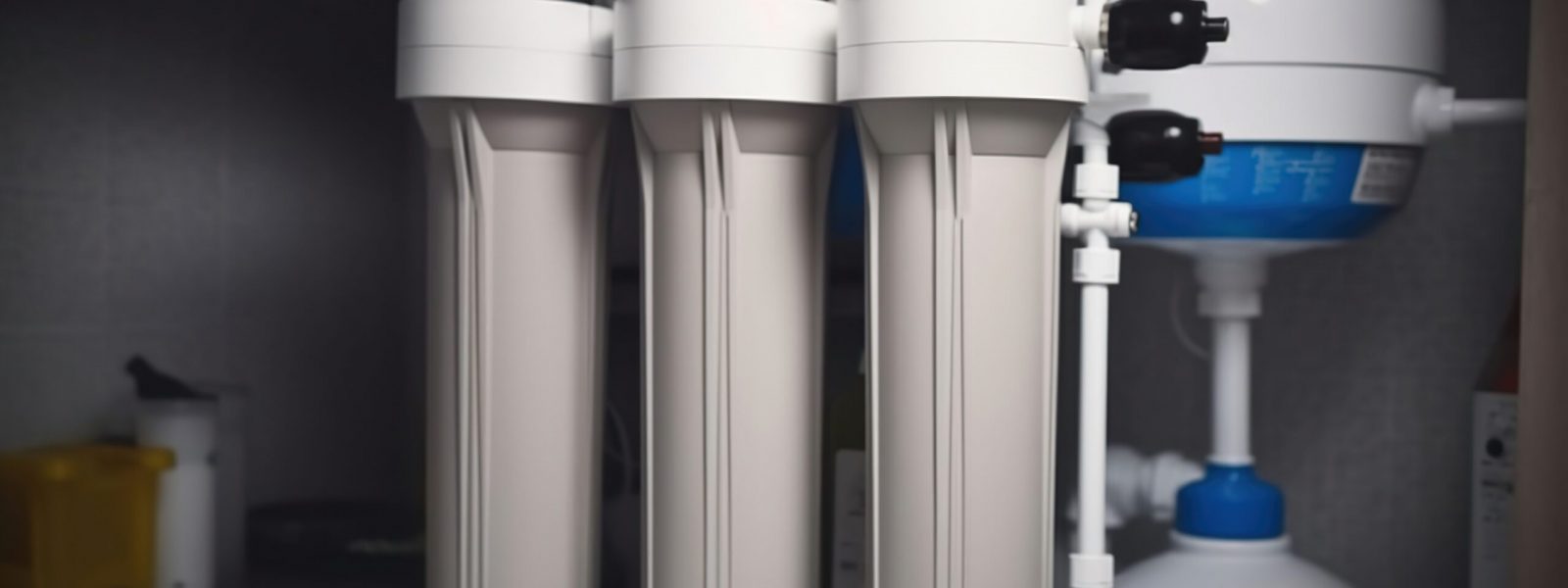
Water moves through nearly every part of a home. Families drink it, cook with it, shower in it, wash clothes with it, and rely on it to operate water heaters, dishwashers, washing machines, faucets, fixtures, and other plumbing equipment.
That makes water quality much broader than a question of whether tap water tastes good.
Minerals, sediment, chlorine, and other substances can affect how water smells and feels, leave deposits on plumbing fixtures, create scale inside equipment, stain surfaces, or influence what homeowners prefer to drink. Different water-quality concerns also require different treatment technologies, which is why selecting a system should begin with understanding the water itself.
Air Design provides professional water testing and whole-home water filtration and conditioning solutions for Long Island homeowners. By identifying the characteristics of the home’s water first, a treatment system can be selected around an actual need rather than a generic assumption.
Water Filtration and Water Softening Solve Different Problems
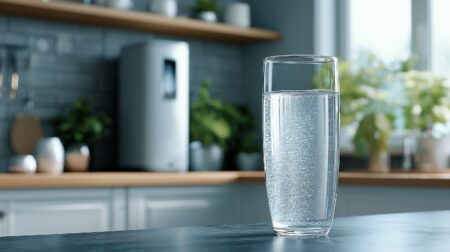
One of the most common points of confusion in residential water treatment is the difference between filtration and softening.
They are not interchangeable.
Water filtration is generally used to reduce specific contaminants, chemicals, sediment, tastes, odors, or other impurities. The type of filtration media or purification technology used depends on what needs to be removed.
Water softening has a more targeted purpose. A softener addresses hardness minerals, primarily calcium and magnesium, that can create scale deposits throughout the plumbing system.
Homeowners dealing with hard water may notice mineral buildup around faucets and showerheads, spots on glassware, reduced soap performance, or scale accumulation inside appliances and plumbing components.
A filtration system may improve water quality while doing little to correct hardness. Likewise, a softener may address mineral scale without providing the contaminant-removal capability a homeowner is seeking.
Some properties benefit from one technology. Others may require both.
Why Testing Should Come Before Equipment Selection
A water-treatment system is most effective when it is selected based on actual water conditions.
Visible clues can be useful, but they rarely tell the entire story. Water may look clear while still containing substances a homeowner wants addressed. Conversely, discoloration or an unusual taste may have several potential causes.

Professional water testing provides a much stronger starting point.
Air Design’s free water testing helps identify minerals, contaminants, and other characteristics affecting the home’s water. Those results can then guide decisions about filtration, conditioning, softening, or purification.
That approach helps prevent homeowners from paying for technology they do not need while overlooking the specific issue they were trying to solve.
Why Whole-Home Filtration Begins at the Point of Entry
A point-of-use drinking-water filter treats water at a particular faucet or fixture. That can be extremely useful when the primary goal is improving drinking and cooking water.
Whole-home filtration takes a different approach.
These systems are generally installed where the main water supply enters the home so that water is treated before it is distributed to showers, sinks, laundry equipment, and other fixtures.
This point-of-entry design provides a consistent treatment strategy throughout the house.
Depending on the system and water-quality concern, homeowners may benefit from improvements in areas such as:
- Taste and odor
- Sediment reduction
- Water clarity
- Chlorine reduction
- Fixture cleanliness
- Overall household water quality
Whole-home treatment can be especially attractive for families who want the water used for bathing, cleaning, and laundry addressed alongside the water they consume.
Hard Water Can Affect More Than the Faucet
Mineral scale is one reason water conditioning deserves attention from a home-maintenance perspective.
Calcium and magnesium can leave deposits behind as water travels through plumbing and equipment. Over time, scale may accumulate on fixtures and within components that regularly heat or move water.
Water heaters, dishwashers, washing machines, showerheads, faucets, and other plumbing devices all interact with the home’s water supply.
That makes water conditioning relevant not only to how water feels but also to the infrastructure that handles it every day.
A properly selected softening or conditioning system can reduce the minerals responsible for hardness and help limit the scale associated with them.
For homeowners who are constantly cleaning white deposits from fixtures or seeing mineral residue reappear soon after cleaning, professional testing can determine whether hardness is contributing to the problem.
When Reverse Osmosis Makes Sense
Some households want a higher level of purification specifically for drinking and cooking water.
Reverse osmosis, commonly called RO, uses a membrane-based process to reduce a wide range of dissolved substances from water. Rather than treating every gallon used throughout the home to the same standard, an RO system is often applied at a specific point of use where highly purified water is desired.
This creates an opportunity to combine treatment technologies strategically.
For example, a home might use whole-house filtration or conditioning at the main supply and an RO system at the kitchen for drinking and food preparation.
The important point is that the technologies should reflect the homeowner’s water-quality goals rather than simply adding multiple systems without a clear purpose.
Water Quality Can Reveal Itself in Everyday Details
Homeowners do not always decide to investigate their water because of a single dramatic problem. Often, the clues are part of everyday life.
Common reasons to consider professional water testing include:
- Water with an unpleasant taste or odor
- Staining around sinks, tubs, fixtures, or laundry
- Visible sediment
- Scale on faucets and showerheads
- Persistent water spots
- Concerns about specific contaminants
- A desire for higher-quality drinking water
- Dry-feeling skin or hair associated with the home’s water
- Frequent mineral cleanup around plumbing fixtures
These signs do not automatically identify which treatment technology is needed. They are reasons to investigate further.
Testing helps turn a general complaint into a more technically informed treatment decision.
Proper Installation Matters
Water treatment equipment becomes part of the home’s plumbing infrastructure, so installation quality has a direct impact on long-term performance.
System selection should account for household water usage, plumbing layout, available installation space, incoming water characteristics, flow requirements, and the type of treatment being performed.
Equipment also needs to be installed in a location that allows practical access for future inspection and service.
Air Design’s factory-certified technicians handle the process from water testing and equipment selection through installation and ongoing maintenance. This provides homeowners with a single service relationship rather than leaving them to coordinate testing, equipment sourcing, plumbing integration, and future service independently.
Filtration Systems Still Require Maintenance
Water treatment should not be viewed as a one-time installation with no future attention required.
Filters eventually reach capacity. Consumable media may need replacement. Softening equipment requires appropriate upkeep. RO systems have filters and membranes with service intervals.
Although exact maintenance schedules vary by equipment and water conditions, many filtration systems require filter replacement approximately every six to twelve months along with periodic system checks.
Regular service helps maintain water flow, treatment performance, and the useful life of the equipment.
A system that was correctly selected when installed can still perform poorly if filters are allowed to remain in service beyond their appropriate interval.
There Is No Universal Water-Treatment System
Residential water quality can vary, and homeowners have different priorities.
One family may be primarily concerned with mineral buildup. Another may want improved drinking-water taste. A third may want broader whole-house contaminant reduction. Someone else may need a combination of softening, filtration, and point-of-use purification.
That is why the strongest water-treatment plan is rarely the one with the longest list of features.
It is the one selected for the actual water entering the home.
Air Design provides whole-home filtration systems, water softeners, conditioning equipment, point-of-use filtration, and reverse osmosis options that can be matched to those findings.
Start With the Water, Then Choose the Solution
Clean, dependable water affects far more than the glass filled at the kitchen sink. It interacts with the family’s daily routines, the home’s plumbing, appliances, fixtures, laundry, bathing, and overall household experience.
Before choosing filtration equipment based on advertising claims or a neighbor’s system, determine what your own water actually requires.
Air Design offers free professional water testing for Long Island homeowners, followed by recommendations based on the home’s specific conditions and treatment goals. Flexible financing options, including qualifying 0% financing on approved credit, are also available for certain water filtration and conditioning systems.
