
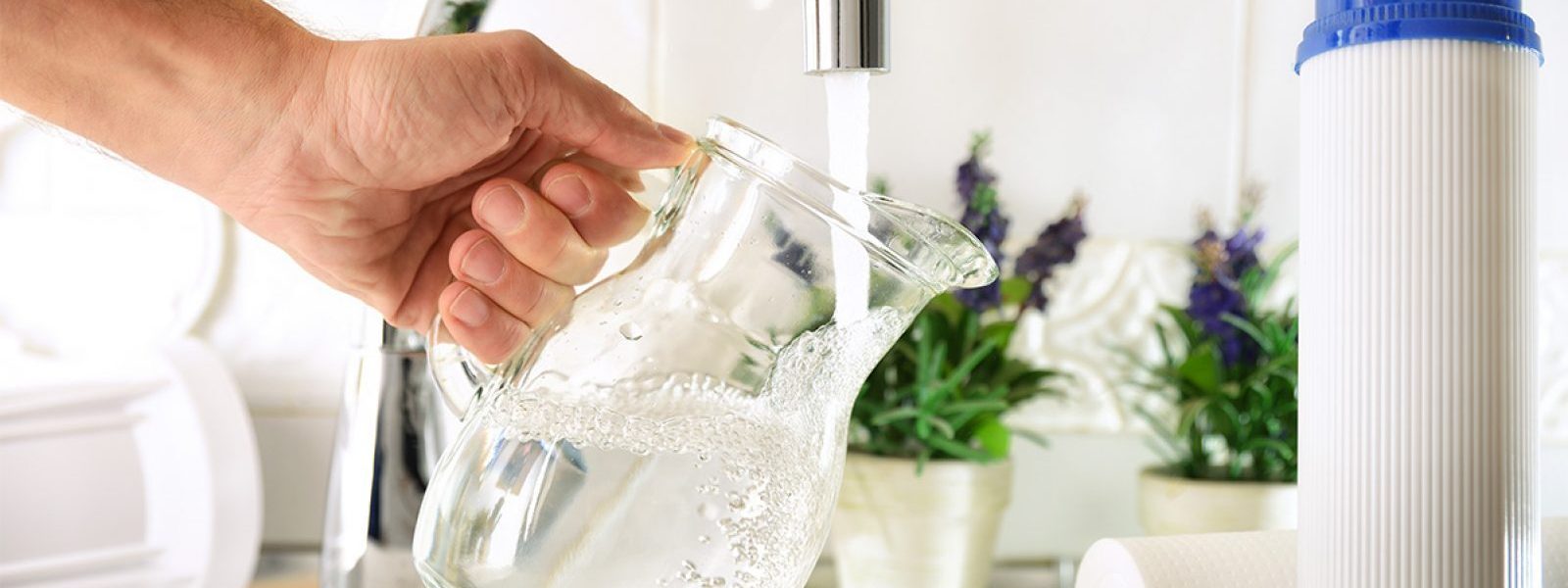
Clean water plays an important role in everyday comfort, health, and home maintenance. It affects the way your drinking water tastes, how your skin and hair feel after showering, how your laundry comes out, and how well your plumbing fixtures and appliances hold up over time. For Long Island homeowners, water quality concerns can range from unpleasant taste and odor to hard water minerals, sediment, chlorine, staining, and contaminants that may not be visible at the tap.
When homeowners begin looking for water treatment options, one of the first questions is whether they need a whole-home water filtration system or a point-of-use filter. Both can improve water quality, but they serve different purposes. One treats the water entering the entire home, while the other targets specific taps or appliances. Choosing the right solution depends on what is in your water, where the problem appears, and how much of the home you want to protect.
At Air Design, we help Long Island homeowners understand these differences through free water testing, honest recommendations, and professional installation. The goal is not simply to add a filter, but to match the right treatment system to the home’s actual water quality needs.
Why Water Quality Issues Should Be Identified First
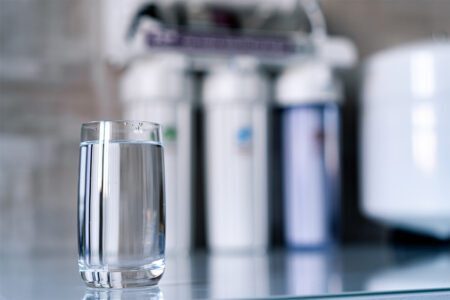
Before choosing any filtration system, it is important to understand what problem you are trying to solve. Water can look clear and still contain minerals, chemicals, sediment, or other impurities that affect taste, odor, plumbing performance, and household comfort. At the same time, not every water issue requires the same type of treatment.
Professional water testing helps identify issues such as:
- Hard water minerals
- Chlorine taste or odor
- Sediment
- Heavy metals
- Bacteria or other contaminants
- Staining minerals
- Unpleasant smells
- Scale-causing buildup
Testing helps determine whether your home needs whole-home filtration, water softening, point-of-use filtration, reverse osmosis, or a combination of solutions. Instead of guessing, testing helps identify the specific conditions affecting your home’s water. From there, a technician can recommend a system designed around your water, your plumbing, and your family’s needs.
What Whole-Home Water Filtration Does
A whole-home water filtration system is installed where water enters the home. This allows the system to treat water before it reaches faucets, showers, appliances, laundry equipment, and plumbing fixtures. Instead of improving one location, whole-home filtration addresses water quality throughout the entire house.
A whole-home water filtration system can help improve water quality throughout the house by supporting:
- Cleaner water from every tap
- Better-tasting water for cooking and daily use
- Reduced odors from chlorine or other sources
- Less sediment entering plumbing fixtures
- Improved water quality for showers and baths
- Better protection for appliances and plumbing
- Cleaner laundry and household water use
This type of system can be designed to reduce sediment, chlorine, odors, certain contaminants, and other impurities depending on the technology used. Whole-home filtration is especially valuable when water quality issues appear in multiple areas of the home. If shower water smells unpleasant, fixtures stain, laundry feels affected, or every tap has the same taste or odor concern, treating the water at the entry point may make the most sense.
Whole-home filtration can also support long-term home protection. Cleaner water entering the plumbing system can help reduce buildup, support appliance performance, and improve the overall quality of water used for bathing, cooking, cleaning, and laundry.
What Point-of-Use Filters Do
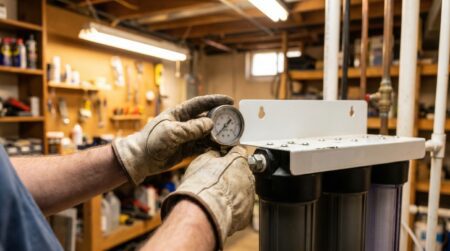
Point-of-use filtration treats water at a specific location, such as the kitchen sink, refrigerator, bathroom sink, or dedicated drinking water tap. These systems are designed for targeted improvement rather than whole-home treatment.
Point-of-use filtration may be used for:
- Kitchen sink drinking water
- Refrigerator water and ice
- Dedicated drinking water faucets
- Bathroom sinks
- Coffee stations or cooking areas
- Reverse osmosis drinking water systems
A common point-of-use option is a reverse osmosis system for drinking water. Reverse osmosis provides advanced purification at a specific tap, making it a strong choice for homeowners who want high-quality water for drinking, cooking, coffee, ice, or baby formula preparation.
Point-of-use filters can be a smart solution when the main concern is drinking water rather than water throughout the entire home. They are also useful when a homeowner wants an added layer of treatment at a high-use location, even if a broader filtration system is already in place.
However, point-of-use filters do not protect showers, laundry, water heaters, dishwashers, or plumbing throughout the home. If the issue affects the whole house, a single filter at the sink will not solve the larger problem.
The Difference Between Filtration and Softening
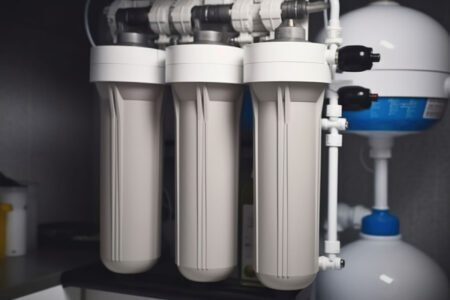
Many homeowners use the terms water filtration and water softening interchangeably, but they address different concerns. Water filtration focuses on removing or reducing contaminants, chemicals, sediment, odors, and impurities. Water softening focuses specifically on hard water minerals, primarily calcium and magnesium, that cause scale buildup.
Water filtration is commonly used to address:
- Chlorine
- Sediment
- Taste and odor concerns
- Certain contaminants
- Heavy metals
- Bacteria or other impurities, depending on system type
Water softening is specifically used to address hard water issues such as:
- Scale buildup on faucets and fixtures
- Spots on dishes and glassware
- Dry skin and hair
- Reduced soap lather
- Mineral buildup in water heaters
- Added strain on plumbing and appliances
Some homes benefit from filtration, some benefit from softening, and many benefit from a combination. For example, a whole-home system may include filtration to improve taste and odor along with softening to reduce mineral buildup. The best approach depends on testing results and the specific water quality concerns present in the home.
When Whole-Home Filtration Makes the Most Sense
Whole-home water filtration is typically the better option when water quality concerns affect more than one tap or when homeowners want comprehensive treatment for the entire house. It provides a more complete approach to water improvement because every fixture benefits from treated water.
A whole-home system may be the right fit if you notice:
- Bad taste or odor from multiple faucets
- Staining on sinks, tubs, toilets, or laundry
- Scale buildup around fixtures
- Dry skin or hair after showering
- Sediment or discoloration in the water
- Concerns about contaminants throughout the home
- Hard water affecting plumbing or appliances
- A desire for cleaner water from every tap
For families who want cleaner water for bathing, cleaning, laundry, and everyday use, whole-home filtration offers a broader level of support than a small filter installed at one location.
When Point-of-Use Filtration May Be Enough
Point-of-use filtration may be appropriate when the concern is limited to drinking water or a specific faucet. If the rest of the home’s water quality is acceptable, but the family wants cleaner, better-tasting water at the kitchen sink, a targeted system may provide the desired improvement.
Point-of-use filtration may be enough if:
- Your primary concern is drinking water
- You only want filtered water at the kitchen sink
- You want reverse osmosis for cooking, ice, coffee, or drinking
- The rest of the home’s water quality is acceptable
- You need a targeted solution for one specific application
This option may also appeal to homeowners who want advanced drinking water purification through reverse osmosis. Point-of-use filtration can also be combined with whole-home treatment. In some homes, whole-home filtration improves general water quality throughout the house, while reverse osmosis provides an additional level of purification for drinking water.
Why Professional Installation Matters
Water treatment systems need to be properly selected, sized, and installed to perform as intended. A system that is not matched to the home’s water conditions may fail to address the right problem. A system that is improperly installed may create flow issues, maintenance concerns, or inconsistent performance.
Professional installation also ensures the treatment system integrates correctly with the home’s plumbing. Whole-home systems must be placed at the right point in the water line. Point-of-use systems must be connected safely and configured for reliable daily use. Maintenance access should also be considered so filters, cartridges, or system components can be serviced when needed.
Air Design’s factory-certified technicians handle water treatment from testing through installation and maintenance. That complete approach helps homeowners feel confident that the system is not only installed correctly, but also selected for the right reasons.
Maintenance Keeps Water Treatment Working Properly
Whether you choose whole-home filtration, point-of-use filtration, softening, reverse osmosis, or a combination system, maintenance is essential. Filters must be replaced, systems should be checked, and components need to be monitored to ensure consistent performance over time.
Depending on the system, maintenance may include:
- Replacing filters or cartridges
- Checking system flow and pressure
- Inspecting valves and connections
- Servicing reverse osmosis components
- Replenishing or maintaining softener systems
- Scheduling annual system checks
- Monitoring performance changes over time
Maintenance needs vary depending on the system type and household water use. Most systems need filter replacements every 6 to 12 months and annual system checks. Staying on schedule helps prevent reduced flow, diminished filtration performance, and avoidable system wear.
Choosing the Right Water Treatment Solution for Your Home
Cleaner water starts with understanding what is actually affecting your home’s water quality. Whether you are concerned about hard water, chlorine taste, sediment, staining, dry skin, appliance wear, or drinking water quality, the right solution depends on your home’s specific needs.
