
June brings a noticeable shift inside Long Island homes. Spring freshness gives way to warmer afternoons, longer cooling cycles, and the first stretches of heavy seasonal humidity. Even before the hottest days of July and August arrive, many homeowners begin to notice that their homes feel different. Rooms feel warmer than the thermostat suggests. Bedding may feel damp. The air may seem heavy, and lowering the temperature does not always solve the problem.
The issue is usually more complex than temperature alone, with indoor moisture playing a major role in how comfortable the home actually feels.
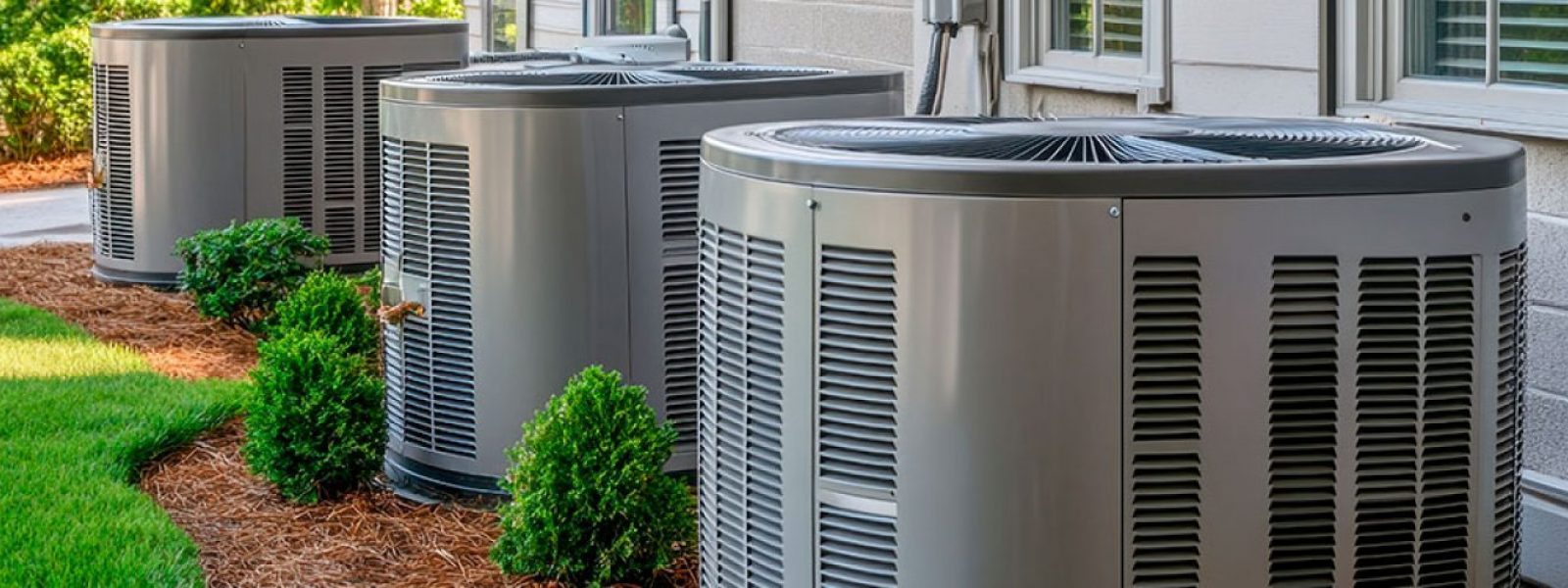
Central air conditioning systems are designed to cool the entire home through a network of ducts, and they remove some moisture as part of the cooling process. However, not every system manages humidity with the same level of effectiveness. System age, equipment sizing, airflow, maintenance history, and duct performance can all influence how well a home stays comfortable when Long Island humidity begins to rise.
For homeowners heading into summer, June is an important time to evaluate whether the central AC system is ready for sustained cooling demand, or whether maintenance, system replacement, or whole-home humidity control may be needed.
Why June Humidity Can Expose Central AC Problems
June sits at the beginning of the cooling season, which makes it a revealing month for central air conditioning performance. The system may have had a lighter workload during spring, but once warmer weather and humidity arrive, any weakness in the equipment becomes easier to feel.
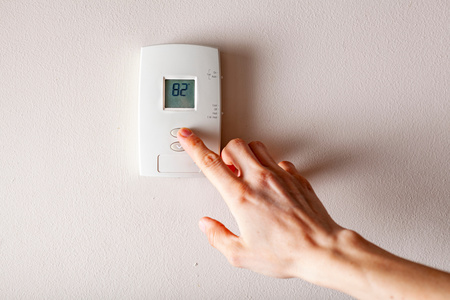
Humidity changes how comfort is experienced inside the home. When indoor air contains too much moisture, the body has a harder time cooling itself naturally. Sweat evaporates more slowly, which makes a room feel warmer than it actually is. This is why a home set to 72 degrees can still feel uncomfortable if humidity levels are too high.
Many homeowners respond by lowering the thermostat. That may provide short-term relief, but it can also increase energy use and place more demand on the AC system. If moisture, airflow, or equipment performance is the underlying concern, a lower temperature setting may not deliver the comfort homeowners expect.
The Early Signs Your Central AC May be Struggling
Early summer discomfort can show up in several ways. Some signs are obvious, while others are easy to dismiss as normal seasonal changes. In many homes, these symptoms can point to a central AC system that needs maintenance, adjustment, repair, or replacement.
Homeowners should pay attention to:

- Rooms that stay warm even when the AC is running
- Uneven cooling from one room to another
- Weak or inconsistent airflow at the vents
- Longer run times without better comfort
- A need to keep lowering the thermostat
- Rising cooling costs compared to previous seasons
- Frequent service calls or recurring performance issues
- A system that is 12 to 15 years old or older
These symptoms may indicate that the system is no longer cooling efficiently or distributing air properly throughout the home. If the air conditioner is running but the home still feels warm, heavy, or unevenly cooled, the equipment may not be operating at the level needed for full summer comfort.
Why Proper System Sizing Matters
Central air conditioning performance depends heavily on proper system sizing. A system that is too small may run constantly without cooling the home effectively. A system that is too large may cool too quickly, cycle on and off frequently, and fail to deliver balanced comfort from room to room.
Proper sizing should never be based on guesswork or simply matching the size of an older unit. A central AC system should be selected based on the home’s cooling load, square footage, insulation, ductwork, layout, sun exposure, comfort concerns, and efficiency goals.
This is especially important during AC installation or replacement. The right system should not simply turn on and blow cold air. It should deliver reliable whole-home cooling, support efficient operation, and help every room feel consistently comfortable through Long Island’s summer weather.
How Airflow Affects Whole-Home Cooling
Central AC systems depend on strong, balanced airflow. When air moves properly through the ductwork, rooms cool more evenly, the system operates more efficiently, and comfort feels more consistent throughout the home.
Poor airflow can make some areas feel warm while others feel comfortable. It can also force the system to work harder to reach the thermostat setting. Common airflow concerns may be tied to dirty filters, clogged coils, duct restrictions, blower issues, closed vents, or equipment that has not been maintained properly.
If certain rooms always feel hotter than others, the issue may not be the thermostat setting. The system may need professional evaluation to determine whether airflow, duct design, or equipment performance is affecting comfort.
Why Maintenance Should Be Part of the Conversation
Before summer conditions intensify, the central AC system should be inspected to make sure it is ready for sustained cooling demand. A professional maintenance visit can identify issues that may be affecting comfort, including dirty coils, clogged drains, weak airflow, worn components, low refrigerant, or electrical concerns.
These problems can make early summer discomfort feel worse. For example, if the indoor coil is dirty or airflow is restricted, the system may not cool effectively. If refrigerant levels are low, the system may run longer while delivering weaker cooling. If electrical components are worn, the risk of a mid-season breakdown increases.
Annual maintenance helps protect cooling performance, reduce the risk of unexpected repairs, and extend the life of the equipment. It also gives homeowners a clearer understanding of whether their current system is still performing properly or whether a new central AC installation should be considered.
The Energy Connection
When a home feels uncomfortable, lowering the thermostat becomes the default response. The AC then runs longer and works harder, even if the real issue is airflow, efficiency, system age, or equipment condition.
This can lead to higher cooling costs without a meaningful improvement in comfort. An older or inefficient system may require more energy to produce the same level of cooling. A poorly maintained system may also lose performance over time, making it harder to keep up once summer temperatures rise.
Modern central air conditioning systems are available in a range of efficiency levels, including high-efficiency and premium-efficiency options. Systems with higher SEER ratings, two-stage cooling, variable-speed technology, or improved system design can provide stronger comfort while helping reduce energy waste compared to outdated equipment.
If cooling costs keep rising, rooms remain uneven, or the system runs constantly without creating the comfort expected, June may be the right time to discuss whether maintenance, repair, or AC replacement is the better long-term solution.
Why June Is the Right Time to Act
June is an ideal month to evaluate central AC performance because the warning signs are beginning to appear, but summer has not yet reached its most demanding point. Homeowners still have time to correct comfort issues before longer heat waves and heavier cooling demand arrive.
Addressing comfort concerns early can help:
- Improve cooling performance before peak summer
- Reduce unnecessary thermostat adjustments
- Support more consistent whole-home comfort
- Help the AC system operate with less strain
- Lower the risk of unexpected breakdowns
- Identify whether repair, maintenance, or replacement is needed
Waiting until late summer means living with weeks of avoidable discomfort. June provides a more strategic window to evaluate the home, schedule professional service, and make improvements while there is still plenty of cooling season ahead.
When Replacement May Be the Better Option
In some cases, maintenance or repair may be enough to restore better cooling performance. In others, the system may be nearing the end of its useful life. Most central AC systems are expected to provide reliable cooling for roughly 12 to 15 years, depending on installation quality, usage, maintenance history, and overall equipment condition.
Replacement may be worth discussing if the system is older, requires frequent repairs, struggles to cool the home evenly, or causes energy bills to rise year after year. Home renovations can also change cooling needs if new rooms, additions, or finished spaces were added after the original system was installed.
A professional consultation can help homeowners compare repair costs, efficiency improvements, available system options, and long-term comfort benefits. Air Design offers free in-home consultations to help homeowners understand their options, ask questions, and choose a central AC system that fits the home, budget, and comfort goals.
Build a Better Summer Comfort Plan

A comfortable June home should not feel heavy, uneven, or difficult to cool. If the air conditioner is running but some rooms stay warm, cooling bills are rising, or the system runs constantly without delivering better results, the issue may involve equipment performance, airflow, sizing, maintenance, or system age.
Professional central AC maintenance, repair, and properly designed system replacement can all play a role in creating more reliable whole-home comfort during Long Island’s summer months.
